Umberto Schramm
Ex-prisoner, writer & journalist
I write about prison, politics & society
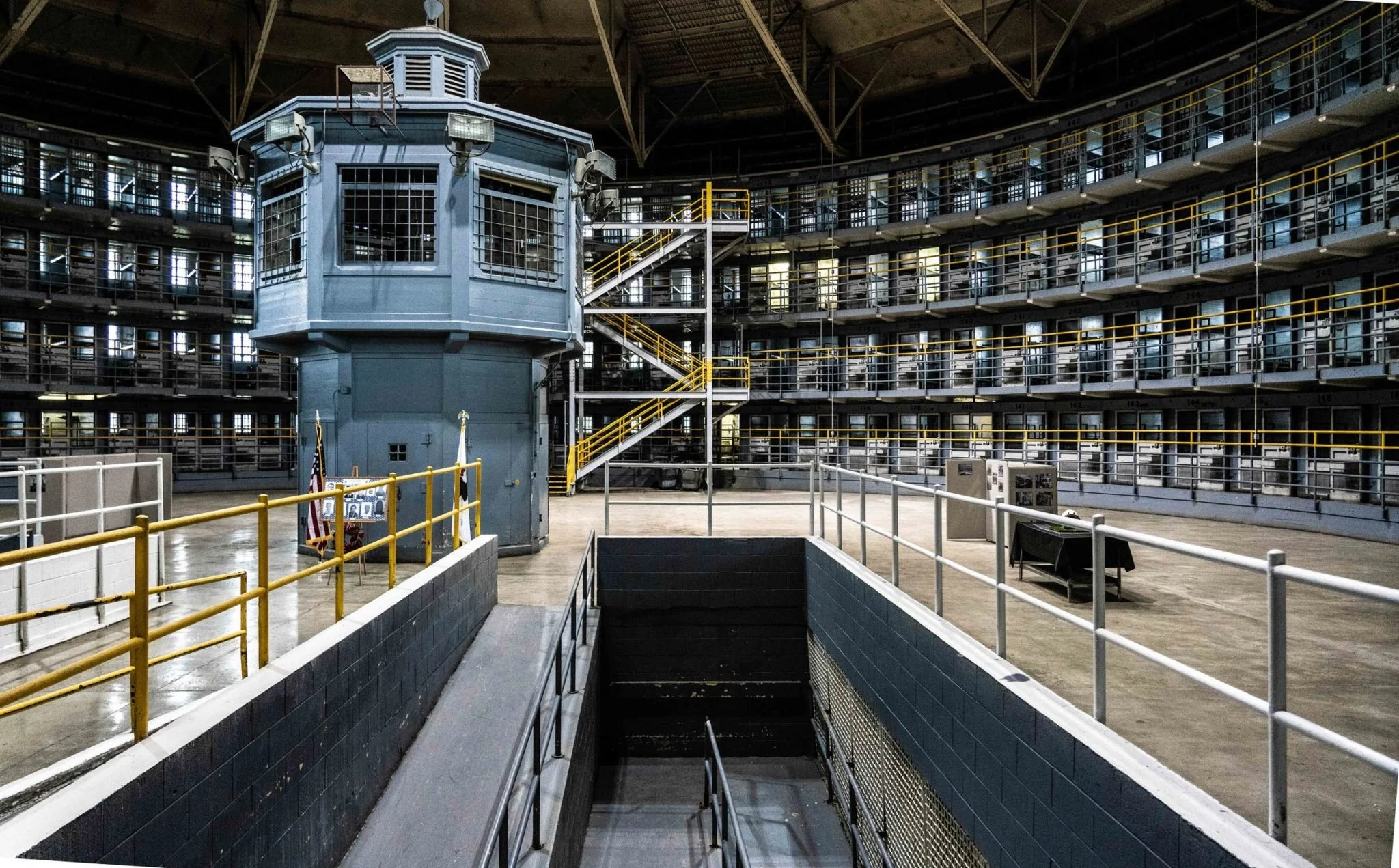
The ultimate Panopticon, US-nightmare-style.
Just imagine being locked in one of those cells…
Despite having been closed in 2016 due to health and safety concerns, the F-house of the Stateville Correctional Center in Illinois was years later used to quarantine 70 inmates who tested positive during the COVID-19 pandemic.
Read the story by Jonah Newman here.
Dreamed up by Jeremy Bentham in 1791, the concept of the Panopticon has fascinated me since I first heard about it. It is credited for being enormously influencial, even though hardly any prisons of the actual design were ever constructed.
The all-seeing eye in the middle, being able to see all the prisoners’ cells in the circle, was the central guiding idea.
What Bentham originally wanted was that whilst guard in the watchtower would be able to see all prisoners, while they were unable to see into the watchtower and see the guard. The sensation of constantly being watched without seeing the watcher was supposed to instill good behaviour, being similar of the prisoners ‘watching themselves’.
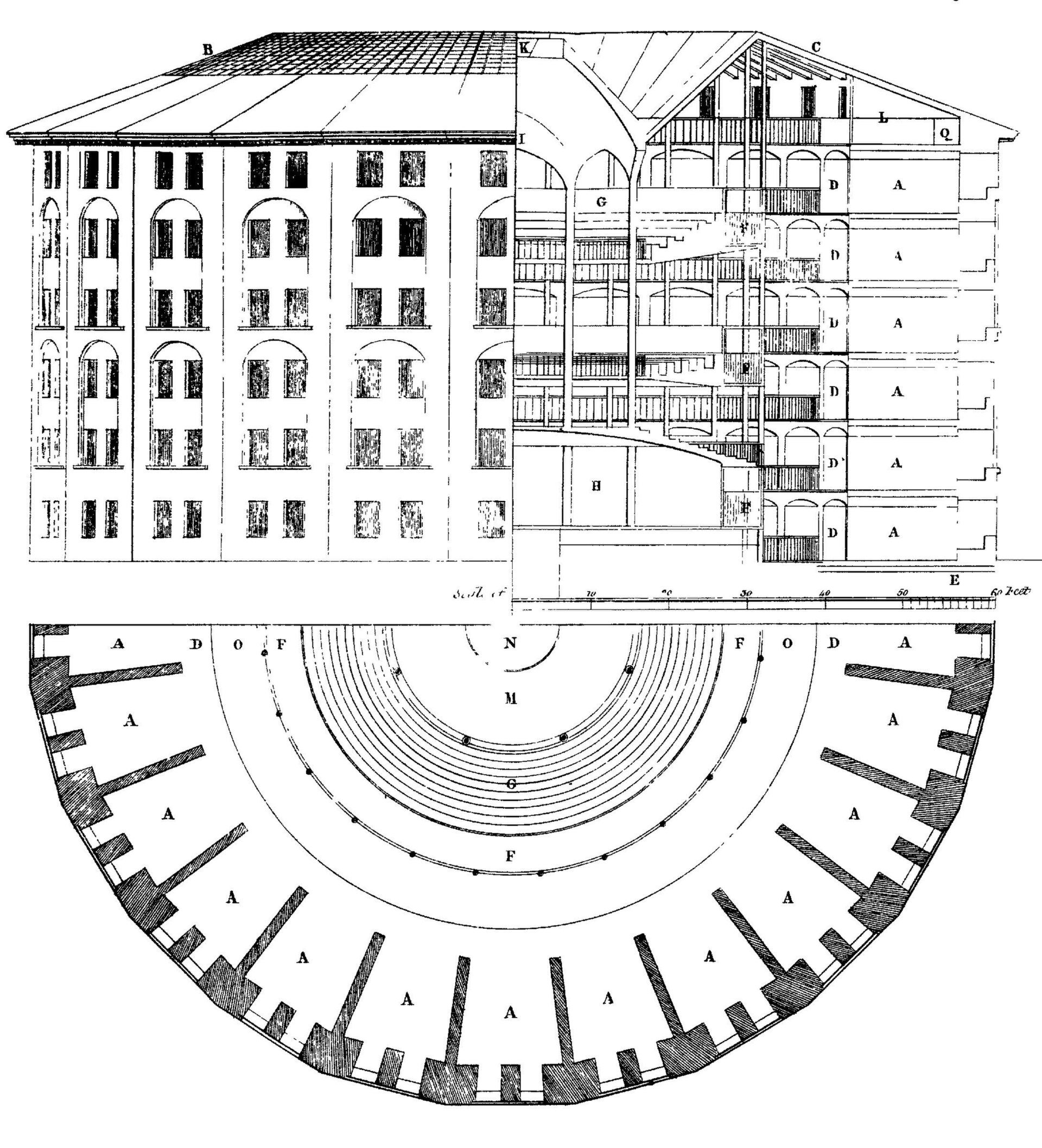

There are obvious problems to the design, which became apparent even at the time.
To reach the prisoners’ cells the guards would have to traverse an enormous distance.
Rather than being an invisible all-seeing-eye, the guards would actually also seen by the prisoners at all times, who could prepare for their arrival and stop doing whatever they were doing. The prisoners would also have a perfect view over all other prisoners’ cells.
For the watchtower to provide a full roundview, it would mean that there would be an enormous amount of wasted space left unused.
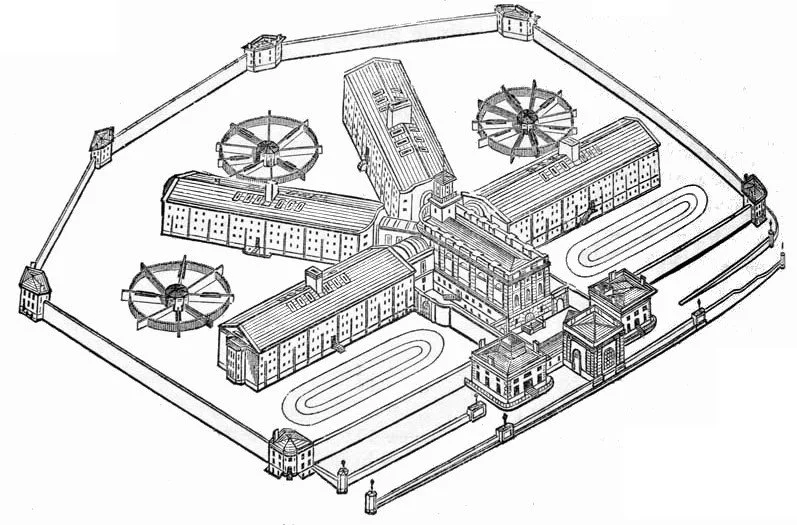
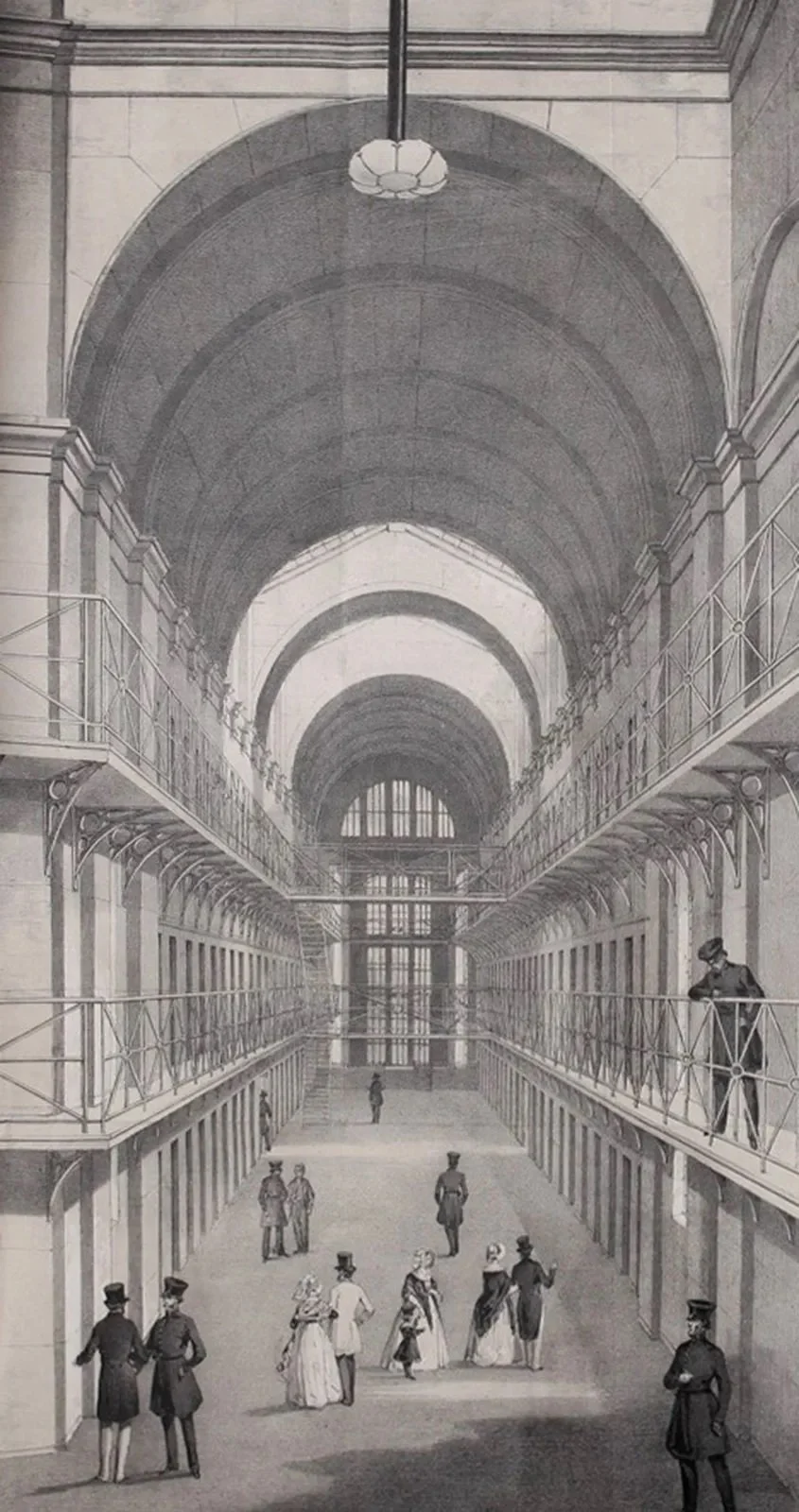
What was ultimately favoured in place of the Panopticon was the radial design that we see in hundreds of prisons built since then, and that we today see all over the world.
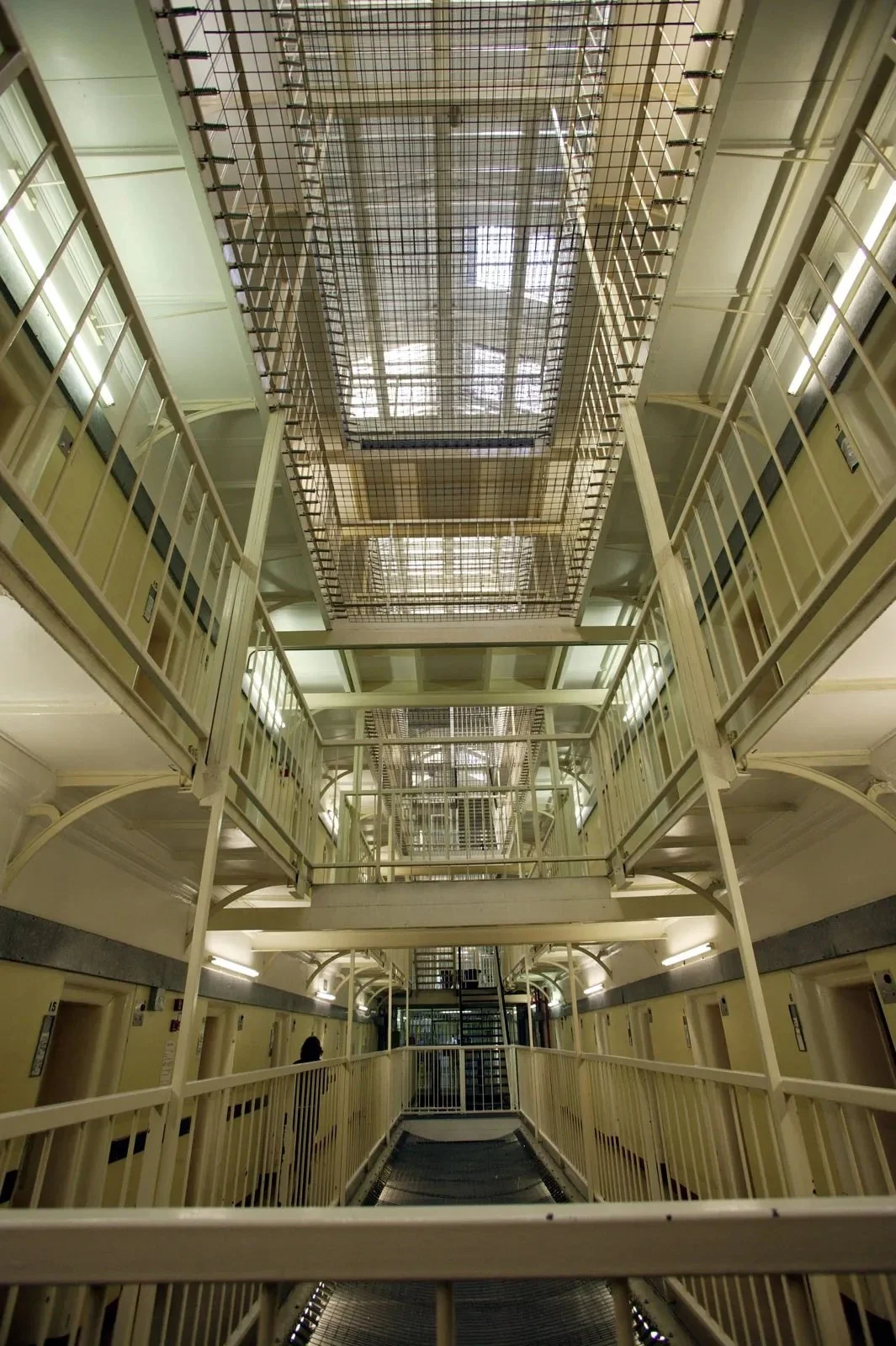
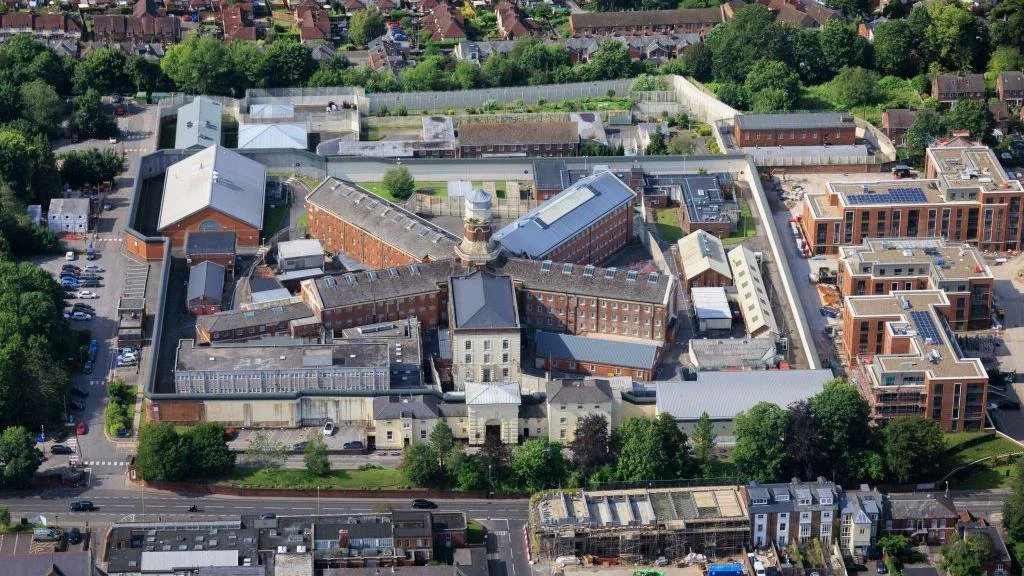
The prototype of this prison in the UK is Pentonville, opened in 1842, which, incredibly, is still in use today.
(Although today housing twice the number of inmates, as cells that were originally built for one person are now doubled up. Whenever I cycle past it, it gives me the shudders…It’s worth noting though, that the prison had in-cell sanitation even in the 19th century. Sanitation that was later removed, meaning inmates had to use a bucket and slop it out in the corridors until the late 1990s.)
The radial design is only loosely inspired by the Panopticon, and one can immediately see the advantages. It is a much better and effective use of space. Whilst guards still have an overview of the wing and can see all cells and what’s going on, they can easily reach the cells and patrol the corridors.
Thinking about the Panopticon today, and thinking how it must have been to be a prisoner in the few that were built, evokes sheer horror. Not having any privacy at all and being watched around the clock amounts to psychological torture.
I still find it astonishing and horrifying that US prisons mostly have open bars that can bee seen through, rather than a metal door.
Having at least that tiny bit of privacy and space for yourself that a closed metal door provides is the one thing that prevents you from completely losing it. (Unless you’re in solitary confinement with no social interaction whatsoever and no property in your cell - then you become mad even quicker…)
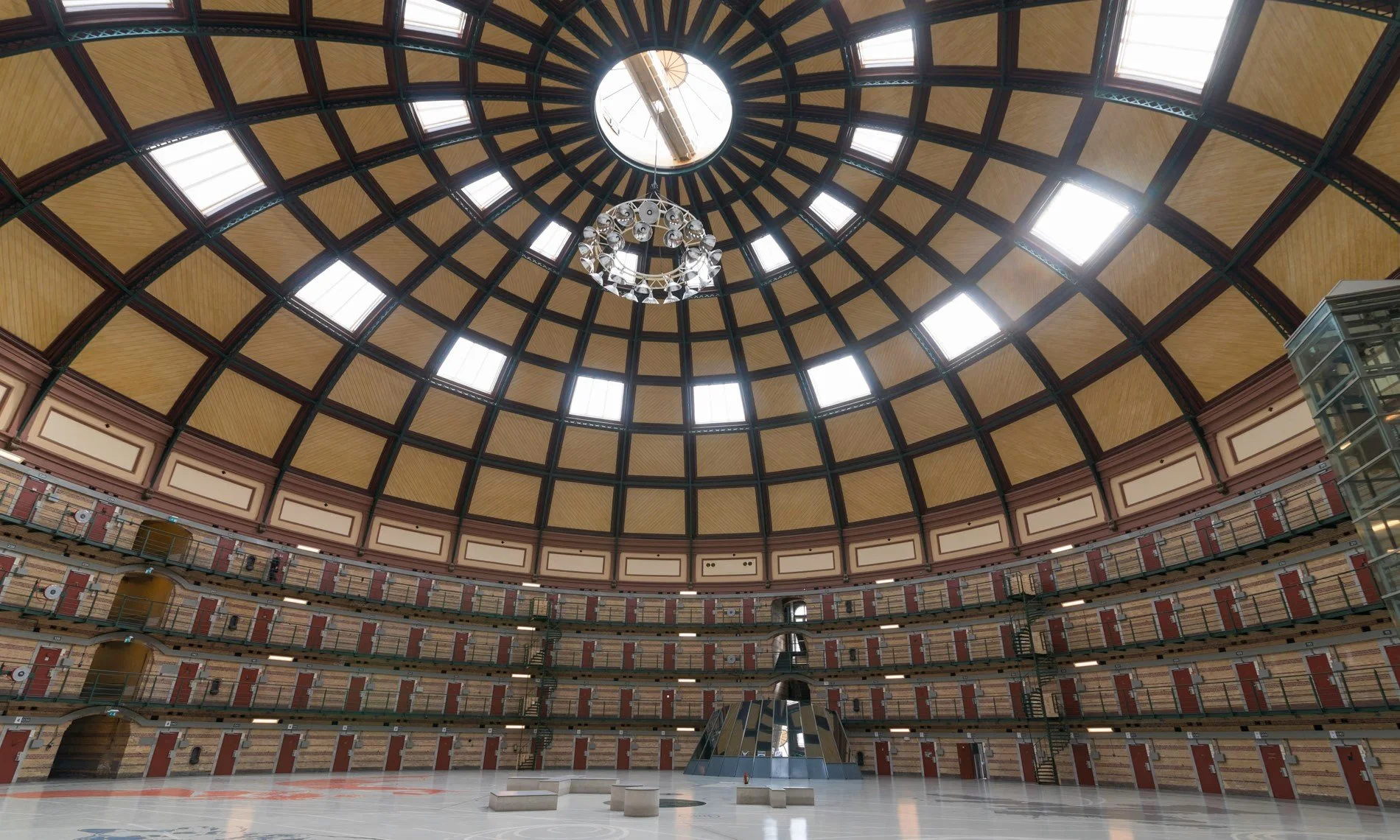
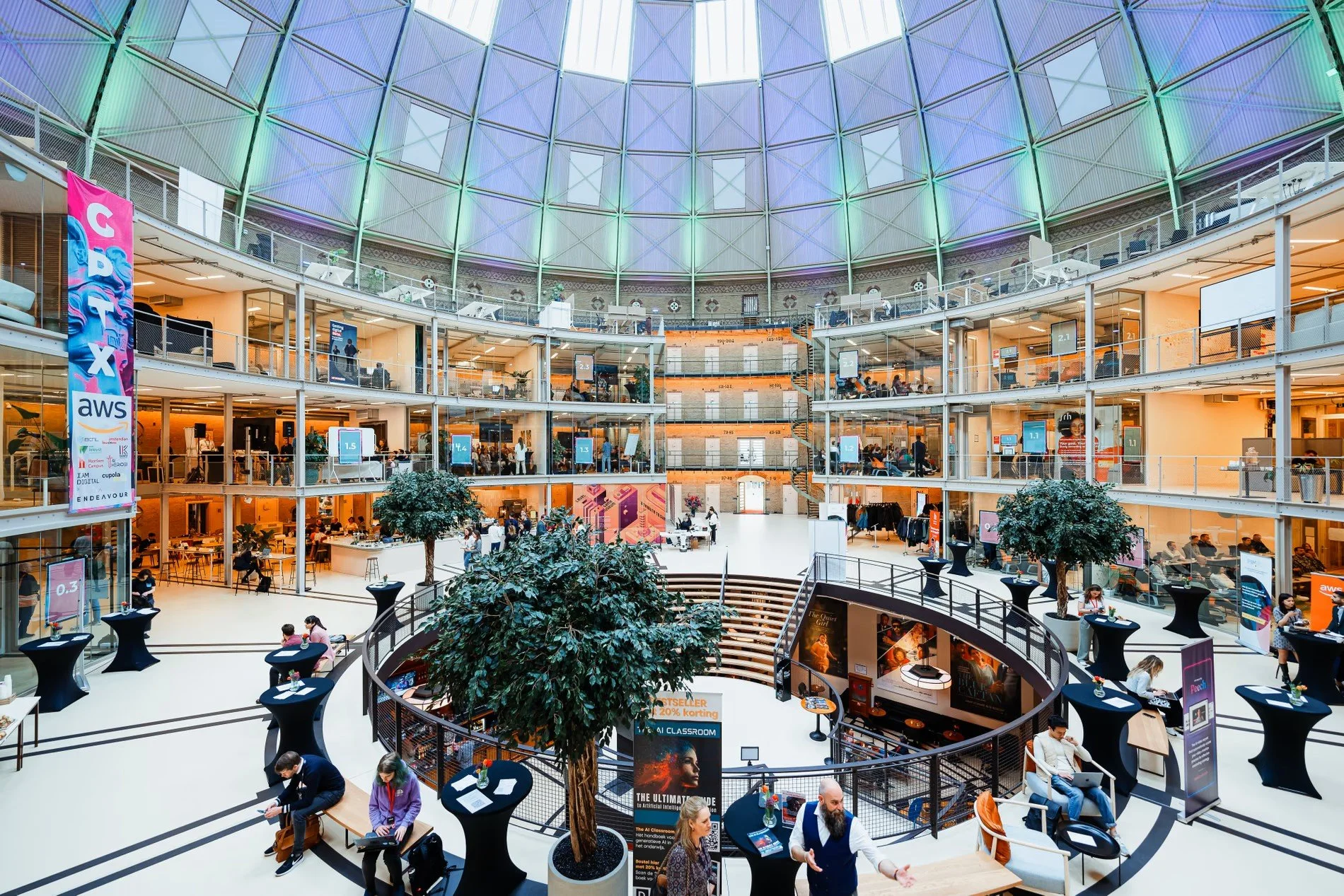
Apart from the prison in Illinios, Panopticons were also built in Holland and on Cuba. The ones in Holland were operational until 2016 and have since been converted to hotels, event spaces and art hubs as told by this article in the Guardian.