
Revisiting the farce of the Sycamore Gap tree trial
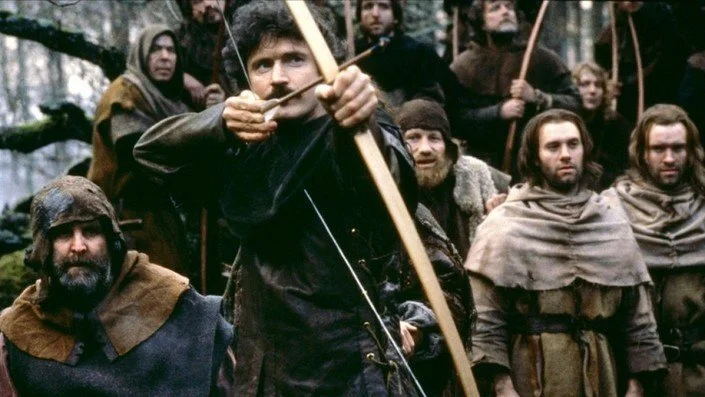
This is a screenshot of the 1991 film Robin Hood, starring Patrick Bergin, Uma Thurman and Jürgen Prochnow.
It made around $23 million at the global box office.
Had the Sycamore Gap tree been selected as a filming location in this film, few people would have ever heard about it. Had someone then felled it, therefore, there would have been no public outcry and nobody would have gone to prison for it.
Instead, it was the other Robin Hood film of the same year – the one that everyone saw – that the tree did actually feature in.
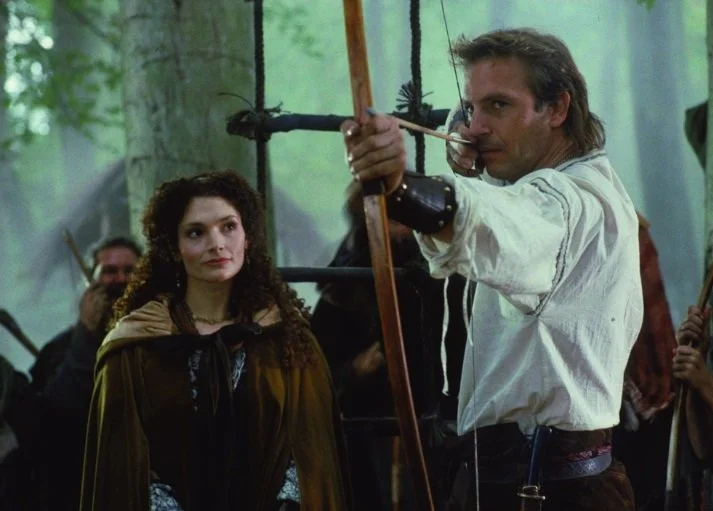
Robin Hood: Prince of Thieves starred Kevin Costner, Mary Elizabeth Mastrantonio, Morgan Freeman, Christian Slater and Alan Rickman. It made nearly €400 million worldwide and was the second-highest grossing film of the year after Terminator 2. The song by Bryan Adams was on top of the UK charts for 16 weeks straight.
This makes this whole story an odd, but not unusual, case where box office takings and popularity have decided the outcome of a criminal trial.
That’s the first point I want to make.
The second point is this: Have a look at the tree behind Maid Marian.
Had the Sycamore Tree killers decided to fell this tree instead of the more famous one next to Hadrian’s Wall, equally, nothing would have happened.
Two tree murders, two completely different outcomes. Why is that?
It is because nobody attaches any sentimental value to the tree behind Kevin Costner. It’s just any other tree.
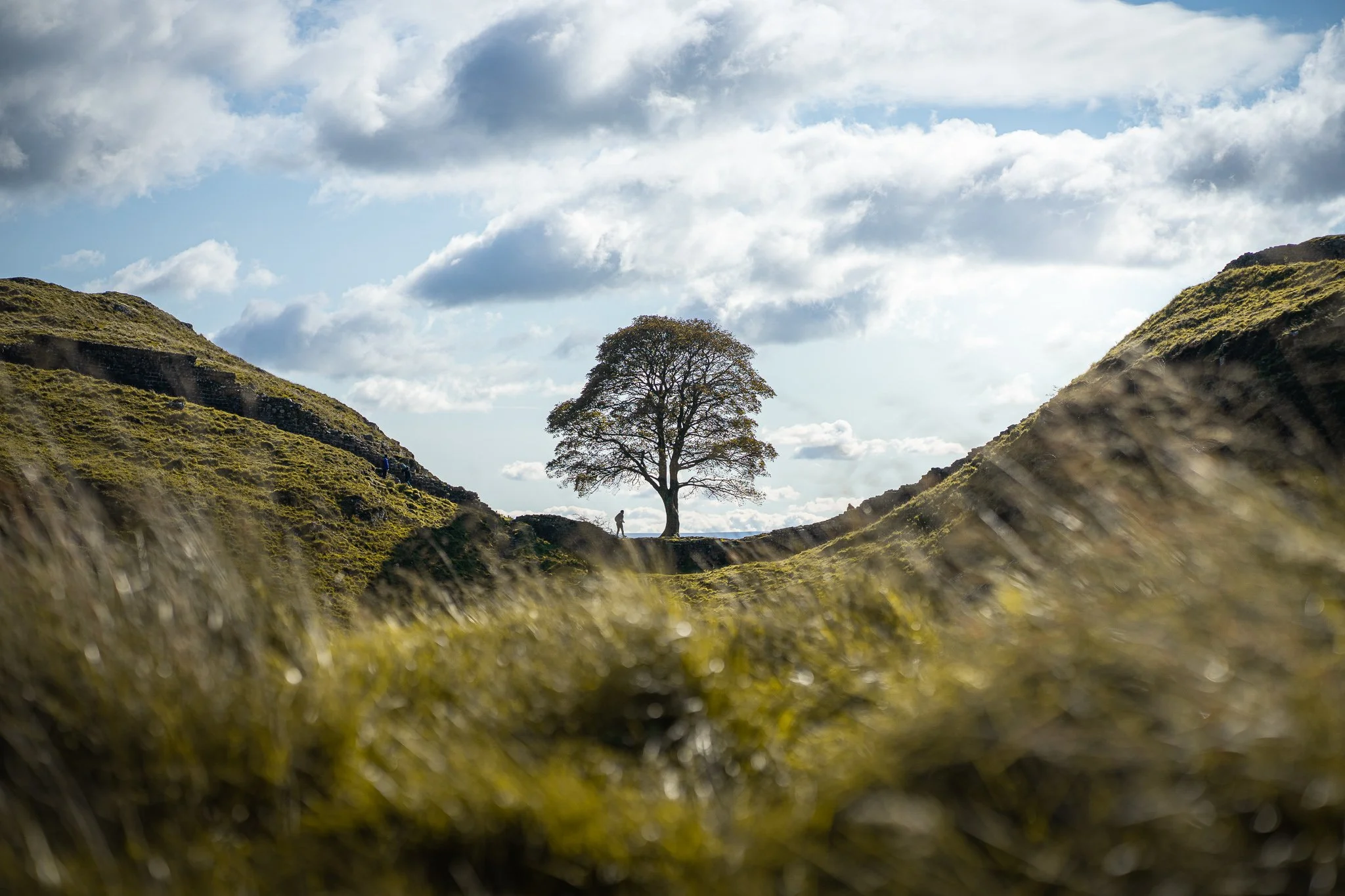
The Sycamore tree, however, was seen by many as unlike any other tree.
It was a cherished national landmark that had a special place in many people’s hearts.
And, no doubt, it was a beautiful tree in a very unique setting.
Nevertheless, it was still, ultimately, a tree.
If I murder a person, the length of my sentence should not be determined by how loved that person was by how many.
If I murder a nationally cherished TV presenter – all other things being equal – I should not receive a harsher sentence than if I murder a homeless person nobody knows.
Yet what happens when criminal cases are in the media is often the opposite. Fierce public outrage pressures judges to hand down harsher sentences than they normally would. It’s a milder version of the Salem witch trials.
Public opinion is irrational and emotive. It therefore should have no place in a courtroom.
Unfortunately, governments have for decades allowed public opinion – spurred on by the tabloid press – to infiltrate the court rooms and criminal justice.
The results have been sentence inflation and creaking prisons full of people that shouldn’t be there or are there for way too long. And people who are sentenced to 4 years and 3 months in prison for felling a tree.
I have to stress here that I in no way applaud what the Sycamore tree killers have done. It was a completely stupid action of vandalism that shocked and hurt many.
But whether it was wrong or not is not the point of my argument. My argument is about proportionality.
There would have been much more effective and less costly options to serve justice and seek retribution than prison.
THE BOOK:
Felled – the Killing at Sycamore Gap, by Andrew Hankinson
It’s always good to reevaluate one’s previous opinions in light of new evidence; I thought maybe I’d find something in the book that I didn’t know before that would change my mind, justify the sentence and explain everything.
I was also somehow hoping for some deep revelation about human nature. And I did find that, at least to some degree.
But, as always, only in small bits here and there that don’t seem to add up to a coherent whole.
Hankinson establishes a link between him and one of the ‘killers’ – both have recently lost their father and both are somewhat struggling in life. Those moments underline common humanity and are the most touching.
It’s these moments and those in which Hankinson writes about his own life that are the most interesting.
Most of the book, however, consists of court transcripts that are neither entertaining nor revealing.
The ultimate question of why the killers did what they did remains unanswered; maybe because there is no answer.
In her closing statement, the judge speculates that it might have been bravado and thrill-seeking, but that we cannot know for sure.
I have a different theory.
Maybe the killers did it because they wanted to point out our own hypocrisy. That despite all our pretensions, not all trees are created equal.
What’s clear is that by buying the book and writing about it I’m part of the media frenzy just like everyone else.
The book feels a bit like a Waterstones version of clickbait, because there just wasn’t much to see here.
Some felled trees should just be left alone, safe in the knowledge that the National Trust has already planted some new ones.
See also:
https://www.theguardian.com/film/2026/may/07/the-aim-was-to-giving-kevin-costners-version-a-good-kicking-director-john-irvin-on-his-anti-thatcher-robin-hood